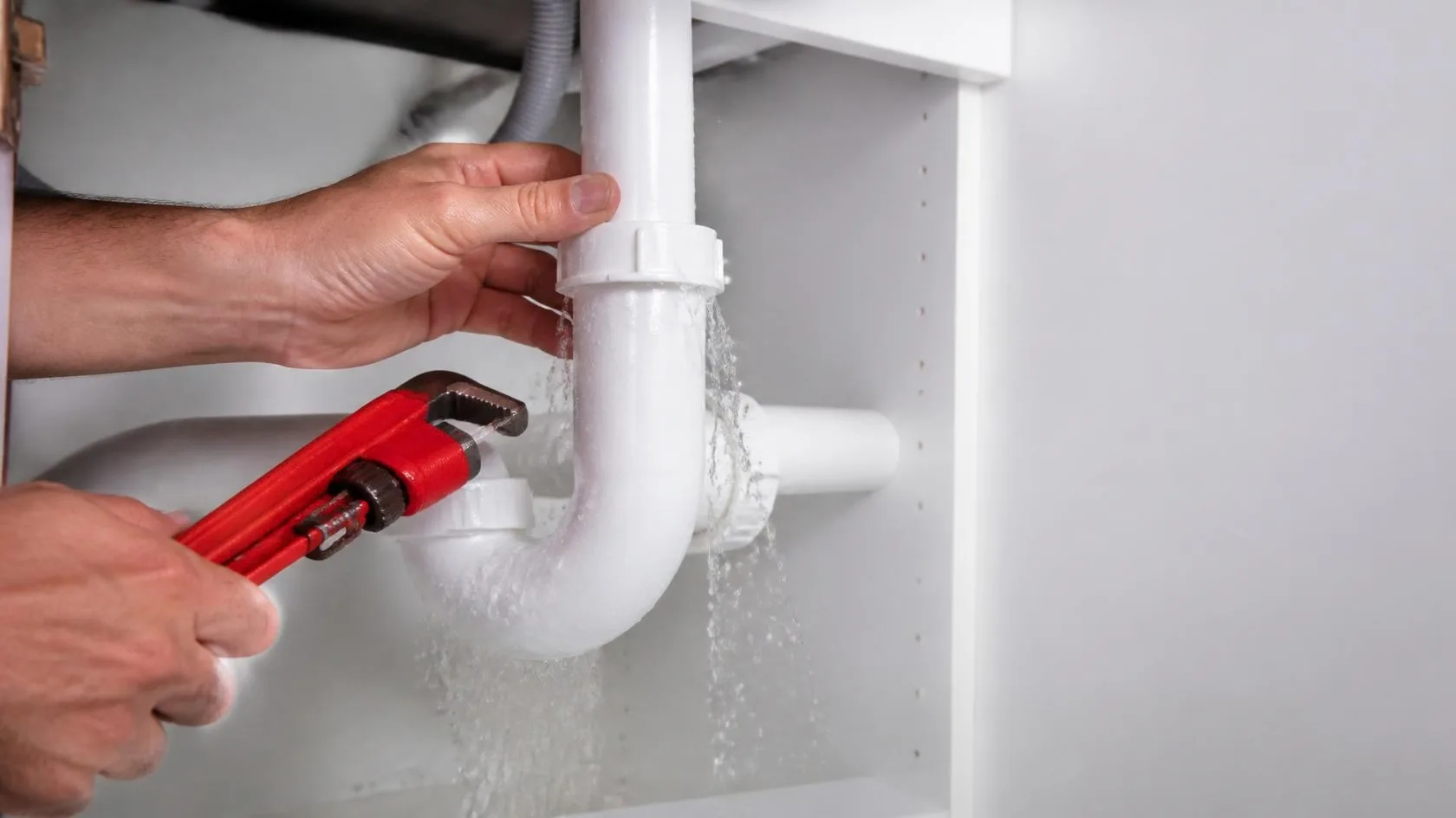
What are the most common boiler faults?
No heat or hot water, low or fluctuating pressure, unusual noises, leaks around the unit, and a boiler that keeps switching itself off are the faults most commonly reported.
Symptoms like these can share overlapping causes, which is why a proper diagnosis matters more than guessing from the symptom alone. Low pressure, for example, can be as simple as needing to top up the system or can point to a slow leak somewhere in the pipework. Noises can be trapped air, limescale build-up, or a failing pump. None of these should be investigated by anyone other than a Gas Safe registered engineer where the gas side of the appliance is involved.
Why does gas work always need a Gas Safe registered engineer?
Anyone carrying out gas work is legally required to be on the Gas Safe Register, and only a registered engineer may legally do gas work of any kind.
This is a legal requirement, not a preference - the Gas Safe Register replaced CORGI as the sole body responsible for gas registration in Great Britain and the Isle of Man. We always point you to check an engineer's registration on the official Gas Safe Register before any gas work starts; registration is scoped to specific categories of gas work, so it's worth confirming the engineer is registered for the specific job, not just registered in general. See our Gas Safe guide for the full picture.
Gas Safe registration guide
Is it worth repairing an older boiler?
It depends on the age, fault and repair history of the boiler - our dedicated guide walks through the factors worth weighing before deciding between a repair and a full replacement.
A single fault on an otherwise reliable boiler is usually worth repairing. Repeated faults, an ageing unit, or a repair cost that starts approaching a meaningful share of a replacement cost change that calculation. See our guide on whether an older boiler is worth repairing or replacing for the questions worth asking before committing either way.
boiler repair vs replacement guide