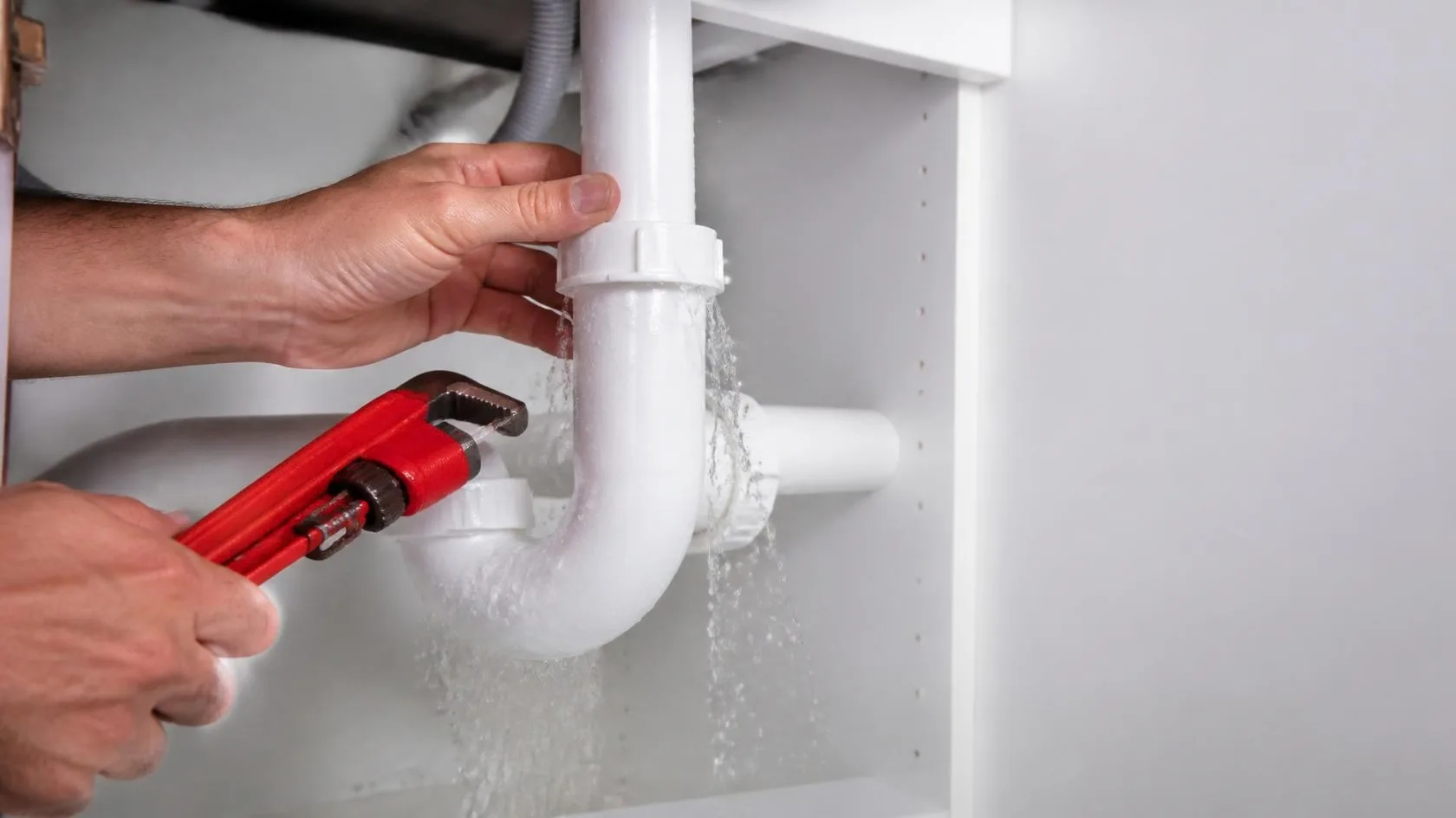
Burst pipes - what to do and expect
Plumbing services in detail
Burst pipes - what to do and expect
| step | urgency | notes |
|---|
| Isolate at the stopcock | Immediate | The single most effective way to limit damage |
| Check for electrics nearby | Immediate if water is near sockets or the fuse board | Switch off the relevant circuit as a precaution |
| Assess and repair the pipe | Once water is isolated | Scope depends on location and accessibility of the damaged section |
Frequently asked questions
Where is my stopcock?
It's most commonly found under the kitchen sink, in a utility room, garage, or near where the water main enters the property. It's worth locating it before an emergency happens, not during one.
Why do pipes burst in cold weather?
Water expands as it freezes, and that expansion can split a pipe from the inside. The failure often isn't obvious until the ice thaws and water starts flowing through the damaged section again.
Is a burst pipe always an emergency?
Yes - any actively escaping water should be treated as urgent. Isolating the supply immediately is the priority, with the repair itself following once the immediate risk is under control.
Can I repair a burst pipe myself?
Isolating the water supply is something most homeowners can safely do. The repair itself depends on the pipe's location and the extent of the damage, and is best assessed properly rather than attempted as a temporary DIY fix on a pressurised system.